Introduction
Choking is a leading cause of injury and death amongst little ones, making it a vital problem for child care service providers. Recognizing choking prevention techniques can conserve lives. In this article, we will certainly check out essential methods that every child care supplier need to know, consisting of the significance of first aid training like HLTAID012 accreditation in Australia, reliable occurrence reporting protocols, and practical strategies for taking care of minor injuries. We will certainly additionally cover elements of kid defibrillation advice, identifying bronchial asthma signs, and making sure proper hand hygiene-- all vital components of child care safety.
Choking Prevention: Key Techniques Every Child Care Service Provider Ought To Know
Choking is an emergency situation that needs prompt attention. Knowing just how to act promptly can be the distinction between life and death. Childcare service providers are commonly on the frontline when it concerns youngsters's safety and security, so understanding choking prevention approaches is imperative.
Understanding Choking Threats in Children
What prevail Choking Hazards?
Children are normally curious and have a tendency to explore their setting by putting things in their mouths. Common choking hazards include:
- Food Items: Grapes, nuts, snacks, hotdogs, and hard candies. Small Objects: Coins, switches, little playthings, or any type of thing that can fit through a toilet paper roll. Household Items: Balloons and plastic bags.
Why are Children Prone to Choking?
Young children have smaller air passages contrasted to grownups. Their natural disposition to discover with their mouths boosts the risk of inhaling international objects or food. Age-specific actions-- such as running while eating-- additionally add to this danger.
Key Strategies for Choking Prevention
Educating Staff on First Aid Training
Training team in emergency treatment is vital for every single child care service provider. Courses such as HLTAID012 Give Emergency treatment in Education not only cover choking but also various other First Aid Course Mooloolaba emergency situations like allergic reactions requiring Epipen administration
The Importance of Normal Training
To keep high requirements in childcare safety and security:
- Schedule normal training sessions. Update understanding on new guidelines. Encourage hands-on practice through simulations.
Proper Hand Health Practices
Why is Hand Hygiene Important?
Proper hand health decreases the threat of infections that could complicate emergencies like choking events.
Best Practices for Hand Hygiene
Wash hands with soap and water before meals and after using the restroom. Use alcohol-based hand sanitizers when soap isn't available.Incident Coverage Protocols
What Should Be Included in an Event Report?
Every incident including choking should be recorded diligently:
- Date and time of the incident Description of what happened Actions taken Follow-up measures
Why Event Information Matter
Incident records assist determine patterns or reoccuring issues within a childcare setting and advertise liability among staff members.
Immediate Response Responsibilities
What Needs to You Do If a Kid is Choking?
Assess the kid's ability to breathe. Administer back impacts if they can not cough or cry. Call emergency services if necessary.Knowing these actions can encourage educators throughout crises.
Child Defibrillation Guidance
When Is Defibrillation Necessary?
In instances where a kid comes to be unresponsive due to choking-related cardiac arrest:
Call for aid immediately. Begin CPR without delay. Use an AED (Automated External Defibrillator) if available.Recognizing Asthma Symptoms
How Can Bronchial asthma Complicate Choking?
Children with asthma may show signs like wheezing or coughing that can resemble choking episodes.
Importance of Acknowledging Symptoms
Being able to distinguish between bronchial asthma assaults and choking helps caregivers provide suitable therapy promptly.
Managing Minor Wounds After an Incident
Steps for Taking care of Wounds
Even minor injuries should be treated right away to prevent infection:
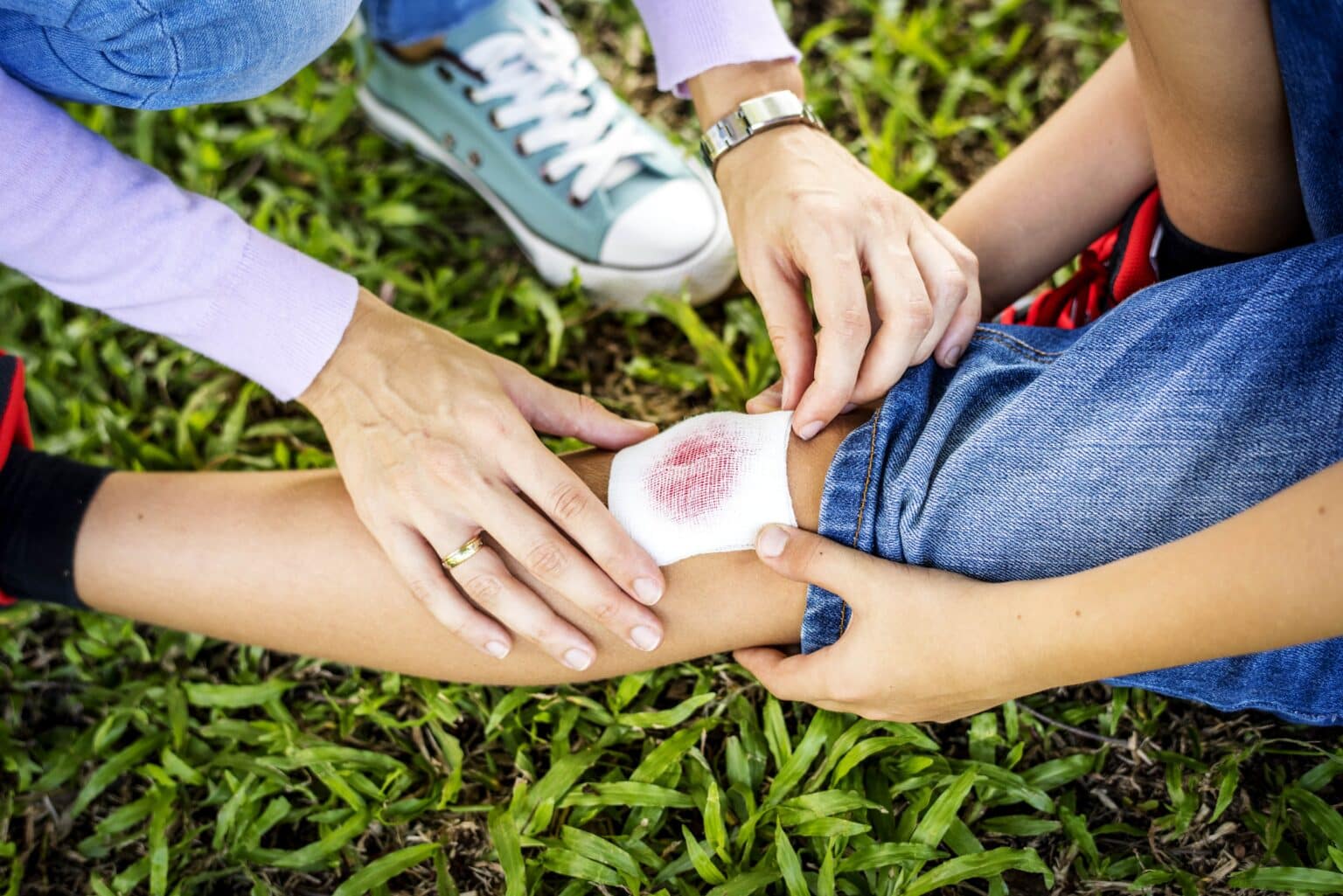
Clean the wound gently with soap and water. Apply antibacterial ointment. Cover with a sterile bandage.Building Instructor Confidence in Emergency Situations
How Can Educating Boost Confidence?
Regular training sessions increase familiarity with treatments:
- Conduct mock drills mimicing emergency situation situations. Discuss past events freely among staff for cumulative learning.
Childproofing Techniques in Childcare Settings
What Work Childproofing Methods?
A well-childproofed environment decreases threats:
Use safety and security entrances at stairways. Secure hefty furniture to walls. Store dangerous products out of reach.Written vs Practical Parts of First Aid Training
What's More Reliable: Written Examinations or Hands-On Practice?
While both components are vital, functional skills are important when secs count throughout emergency situations such as choking incidents.


Balancing Written Examinations with Hands-On Learning
Ensure that your program includes both theoretical understanding analyses and practical skill evaluations.
Renewal Timelines for Emergency treatment Certifications
When Must Certifications Be Renewed?
Most accreditations require renewal every three years; however, check certain guidelines based upon your location-- especially pertaining to Australian standards such as HLTAID012 qualification Australia.
Childcare Centre First Aid Set Essentials
What Needs to Be Included in Every Kit?
A thorough emergency treatment kit tailored for a child care centre should have:
|Item|Quantity|| -----------------------------------|----------|| Adhesive bandages|20|| Clean and sterile gauze pads|10|| Disinfectant wipes|10|| Disposable gloves|5|| Immediate ice bags|2|| Kid's drug (if permitted)|As needed|
Staying equipped CPR Training classes in Sunshine Coast makes sure preparedness throughout emergencies!
First Aid for Childhood Fever Australia
How Must High temperature Be Managed in Children?
Monitoring fever entails tracking temperature level regularly while providing fluids and comfortable apparel as required. Get in touch with healthcare professionals if high temperature continues beyond 2 days or reaches worrying temperatures (over 38 ° C).
Childcare Safety Threats Australia
Identifying Common Hazards
Common dangers include unsafe furnishings, sharp items available, unsafe floors, etc, which have to be proactively managed with routine examinations and maintenance schedules.
Childcare Staff Emergency treatment Demands Australia
What Are Legal Obligations?
Each state has details needs regarding staff qualifications connected to first aid training within child care setups; familiarize yourself with neighborhood regulations to remain compliant!
First Help Fundamentals for Parents Australia
Parents must additionally be educated about basic emergency treatment methods such as mouth-to-mouth resuscitation methods ideal for children or exactly how finest to respond during usual mishaps in your home or school environments alike!
FAQs about Choking Avoidance Strategies
What is HLTAID012 certification?- HLTAID012 accreditation entails training people to give emergency treatment properly within instructional setups concentrating on scenarios appropriate to kids's wellness needs consisting of choking incidents.
- It's recommended that you restore every 3 years; however constantly verify particular requirements based upon neighborhood guidelines relating to day care service providers' commitments around Australia!
- Foods such as entire grapes, nuts & & seeds (particularly tough), popcorn & & hotdogs carry significant dangers due mostly due to the fact that they're not easily eaten right into smaller items by young kids who might inhale them accidentally instead!
- Complete an occurrence record documenting all appropriate information: date/time/description/ activities taken/follow-up procedures which aids recognize trends/patterns over time!
- Trained personnel need to always perform first-aid interventions; ensure compliance via routine training programs conducted by acknowledged organizations specializing particularly within early childhood years education and learning settings!
- Effective childproofing gets rid of prospective hazards from settings where kids play day-to-day lowering opportunities they'll experience hazardous things capable creating harm/chokes while checking out surroundings freely!
Conclusion
Choking avoidance is vital within childcare settings where young lives depend greatly upon qualified experts furnished with knowledge/tools required dealing with emergencies swiftly/effectively! From understanding typical threats managing small injuries making certain proper hand health every approach adds total safety while constructing self-confidence amongst teachers accountable caring throughout day-to-day regimens! Prioritizing ongoing education/training keeps skills fresh allowing aggressive feedbacks whenever encountered challenges posed by unpredictable nature youth experiences! Remember-- expertise really conserves lives!